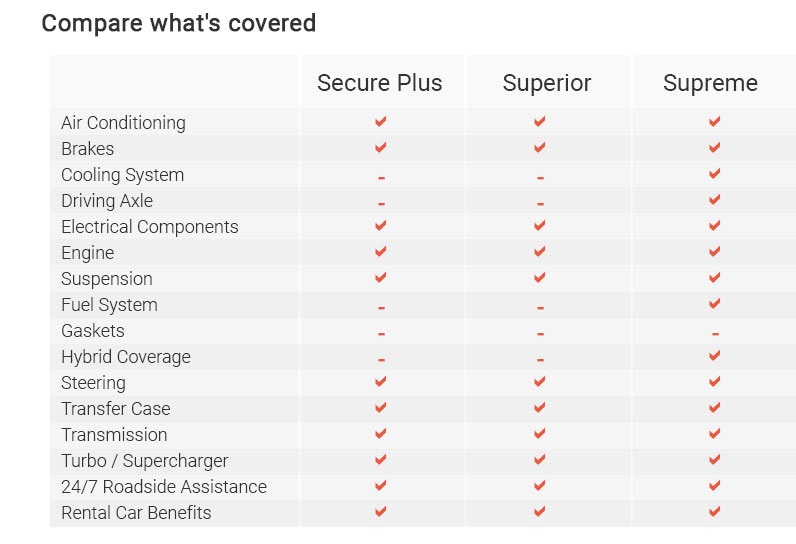
Rental or trip-interruption: caps per day and total; read them.
Action-first checklist
Confirm coverage by VIN and mileage before you sign.
Keep maintenance proof (oil, fluids, filters). Screenshots count if legible.
Know the network: preferred shops vs any ASE-certified. Decide on freedom vs speed.
Store the claims number and contract ID in your phone notes.
Call for pre-approval before teardown. Skipping this can void payment.
Pick a deductible that matches your cash flow. Lower isn't always smarter.
Reliability, not hype
These plans reduce volatility; they don't erase it. Wear items, routine fluids, glass, and trim usually sit outside the fence. Modified vehicles invite denials. Be realistic, keep records, keep moving.
Waiting period or mileage gate before claims start.
Per-visit caps and labor-rate ceilings vs local shop rates.
Parts type: OE, reman, or quality aftermarket - contract decides.
Diagnostics sometimes capped; teardown authorization required.
Consequential damage (one part wrecking another) may be excluded.
Advanced considerations
OEM vs third-party: OEM integrates with dealer systems; third-party may offer broader networks and flexible terms.
Wrap coverage after factory drivetrain: fills feature gaps.
Transferability boosts resale; check fee and conditions.
Cancellation: pro-rata refunds minus claims and admin fees.
Inflation adjusters or labor-rate riders help keep pace with shop costs.
ADAS and calibration: radar/camera recal after windshield or bumper work; ensure it's listed.
Road hazard tires/wheels are often separate; don't assume inclusion.
Small but meaningful clauses
Betterment on aging components, taxes and shop supplies, refrigerant type, alignment after suspension work - these tiny lines decide your out-of-pocket. Read them once; save an hour later.
A real-world moment
Tuesday, 7:18 a.m., the dash lights up and steering stiffens - alternator done. One call, two minutes on hold, tow authorized for 35 miles, shop requests pre-approval, claim greenlit by noon. Rental covered for two days. I pay the deductible, keep the receipts, and submit for rideshare reimbursement. Part backorder adds a day - annoying, not catastrophic. That's the point.
How to choose quickly
Decide with numbers, not vibes.
Estimate annual miles and repair risk; city heat and hills accelerate wear.
Match term to ownership window; avoid paying far past planned sale.
Pick a deductible you can pay immediately - $100 is a sane middle.
Favor clear claims process documentation over glossy brochures.
Ask for a sample contract. Search for exclusions, labor caps, and calibration language.
Call the claims line once. If it's chaos now, it won't improve later.
What to keep on hand
Digital PDFs of contract and maintenance logs.
Roadside and claims numbers starred in your phone.
Preferred shop details and their labor rate.
Photos of current odometer and VIN.
Exceptions to respect
Neglect, sludge, or wrong fluids.
Pre-existing failures during the waiting period.
Racing, lift kits without supporting mods, tune-related failures.
Commercial or ride-hail use unless explicitly included.
If a claim stalls
Request adjuster notes and cause-of-failure in writing.
Have the technician send a concise statement with photos.
Escalate to a supervisor; confirm timelines.
Offer teardown authorization if needed; document everything.
Use the contract's arbitration path or your state regulator if required.
Bottom line
auto warranty protection services are not a magic shield. They're a tool to steady costs and keep you moving. Prioritize response time, clear terms, and parts quality. Take two actions today: save your contract and numbers, and schedule the next maintenance. Quiet prep beats loud promises every time.